
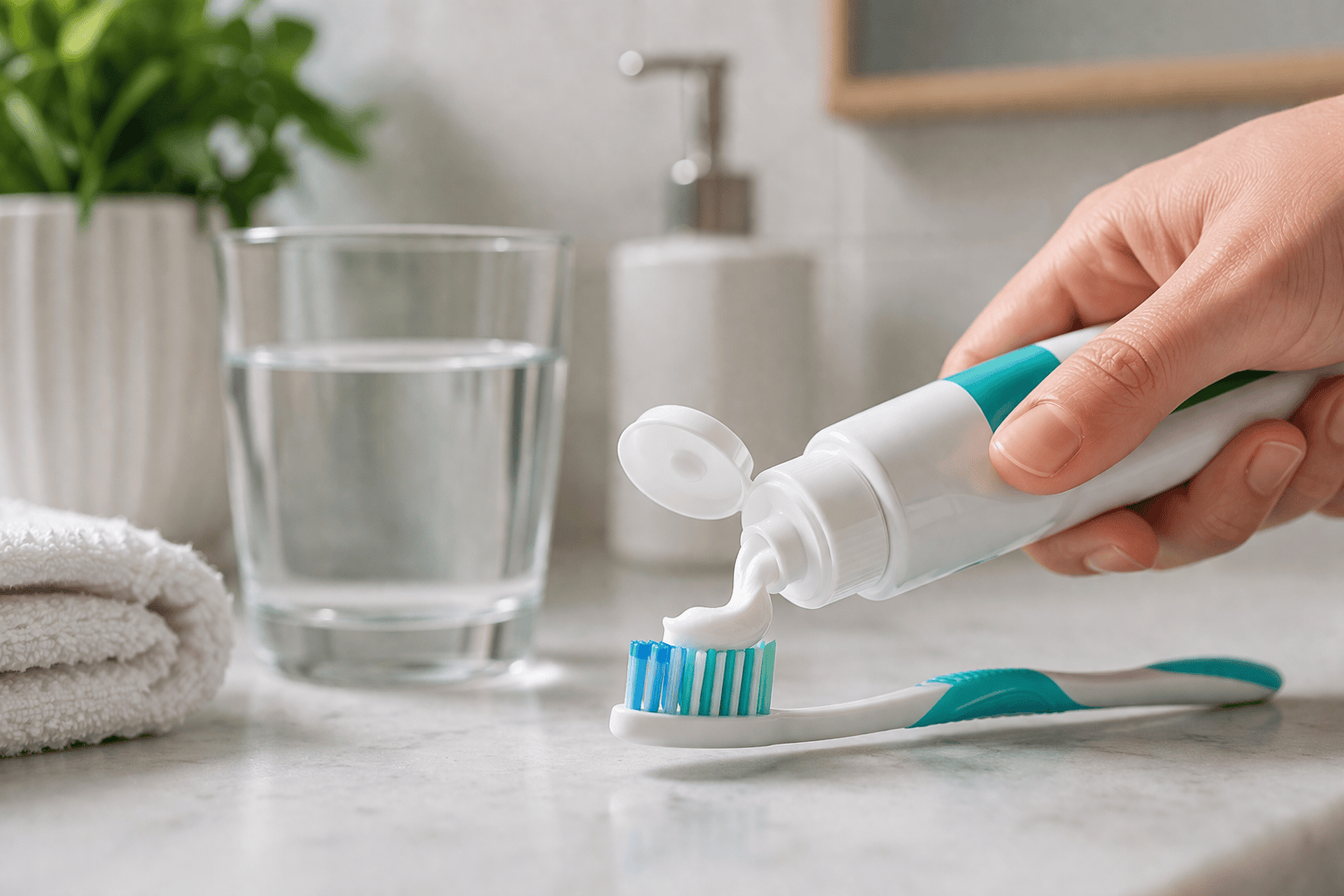
Why Tooth Sensitivity Happens More Than You Think
If drinking cold water, hot coffee, or even breathing in cold air makes your teeth hurt, you’re not alone. Tooth sensitivity is one of the most common dental complaints patients mention during checkups.
Sensitivity usually happens when the protective enamel wears down or gums recede, exposing tiny channels inside the tooth called dentinal tubules. These channels connect directly to nerves — which is why small temperature changes can cause sharp discomfort.
In 2026, dentists are seeing increased sensitivity due to modern lifestyle habits, including:
- Frequent acidic drinks (energy drinks, sparkling water, citrus)
- Over-whitening products
- Stress-related teeth grinding
- Aggressive brushing techniques
- Gum recession with age
The good news? The right toothpaste can significantly reduce symptoms when chosen correctly.
What Makes a Toothpaste Good for Sensitive Teeth?
Not all “sensitive” toothpastes work the same way. Dentist-recommended formulas focus on blocking nerve signals or strengthening enamel.
Key Ingredients That Actually Work
1. Potassium Nitrate
Helps calm nerve activity inside the tooth, reducing pain signals over time.
✔ Best for: Sudden or temperature sensitivity
✔ Results typically appear within 2–4 weeks
2. Stannous Fluoride
A modern favorite among dentists in 2026.
Benefits include:
- Strengthens enamel
- Protects exposed dentin
- Reduces bacteria and gum irritation
3. Nano-Hydroxyapatite (Rising Trend in 2026)
An advanced mineral that mimics natural tooth structure and helps rebuild weakened enamel.
✔ Excellent for long-term protection.
Best Types of Toothpaste for Sensitive Teeth (Dentist Categories)
Instead of focusing only on brands, dentists recommend choosing based on your specific cause of sensitivity.
For Cold or Sweet Sensitivity
Look for potassium nitrate formulas designed for nerve calming.
For Enamel Wear
Choose remineralizing toothpaste containing fluoride or hydroxyapatite.
For Gum Recession
Select toothpaste that also supports gum health and reduces inflammation.
For Whitening Without Pain
Use low-abrasive whitening toothpaste made specifically for sensitive teeth.
How to Use Sensitive Toothpaste Correctly (Most People Do This Wrong)
Many patients stop using sensitive toothpaste too soon. Unlike regular toothpaste, it works gradually.
Follow these dentist tips:
- Brush twice daily consistently.
- Use a soft-bristled toothbrush.
- Do not rinse aggressively after brushing — leave a thin layer behind.
- Apply a small amount directly to sensitive areas before bed if recommended by your dentist.
Consistency matters more than switching brands frequently.
When Toothpaste Alone Isn’t Enough
If sensitivity persists longer than a few weeks, it may signal an underlying issue such as:
- Cavities
- Cracked teeth
- Gum disease
- Worn fillings
- Teeth grinding (bruxism)
Professional treatments may include fluoride varnishes, bonding treatments, or custom night guards.
A dental evaluation helps identify the real cause rather than masking symptoms.
Everyday Habits That Reduce Tooth Sensitivity
Small changes can dramatically improve comfort:
- Avoid brushing immediately after acidic foods.
- Limit acidic beverages.
- Use a straw when drinking sodas or citrus drinks.
- Switch to gentle circular brushing motions.
- Stay hydrated to maintain healthy saliva flow.
These habits support the effectiveness of sensitivity toothpaste.
Dentist-Approved Advice for 2026
Modern dentistry focuses on prevention rather than temporary fixes. Sensitive teeth are often an early warning sign that enamel or gum health needs attention.
Using the right toothpaste is an excellent first step, but pairing it with regular dental visits ensures long-term protection and comfort.
If sensitivity is affecting your daily life, professional guidance can help you find lasting relief tailored to your teeth.
Find Relief from Sensitive Teeth
At Forest Hills Orthodontic Associates: Emanuel Mizrahi, DDS, patient comfort and preventive care are top priorities. If hot or cold foods are causing discomfort, a personalized dental evaluation can identify the cause and recommend the most effective treatment options.
Schedule a visit to restore comfort and protect your smile for the future.
FAQ (SEO Featured Snippet Section)
How long does sensitive toothpaste take to work?
Most people notice improvement within 2–4 weeks of consistent use.
Can sensitive teeth heal naturally?
Enamel cannot regrow naturally, but remineralizing toothpaste and dental treatments can strengthen and protect teeth.
Should I use sensitive toothpaste forever?
Many patients benefit from long-term use, especially if enamel wear or gum recession is present.