
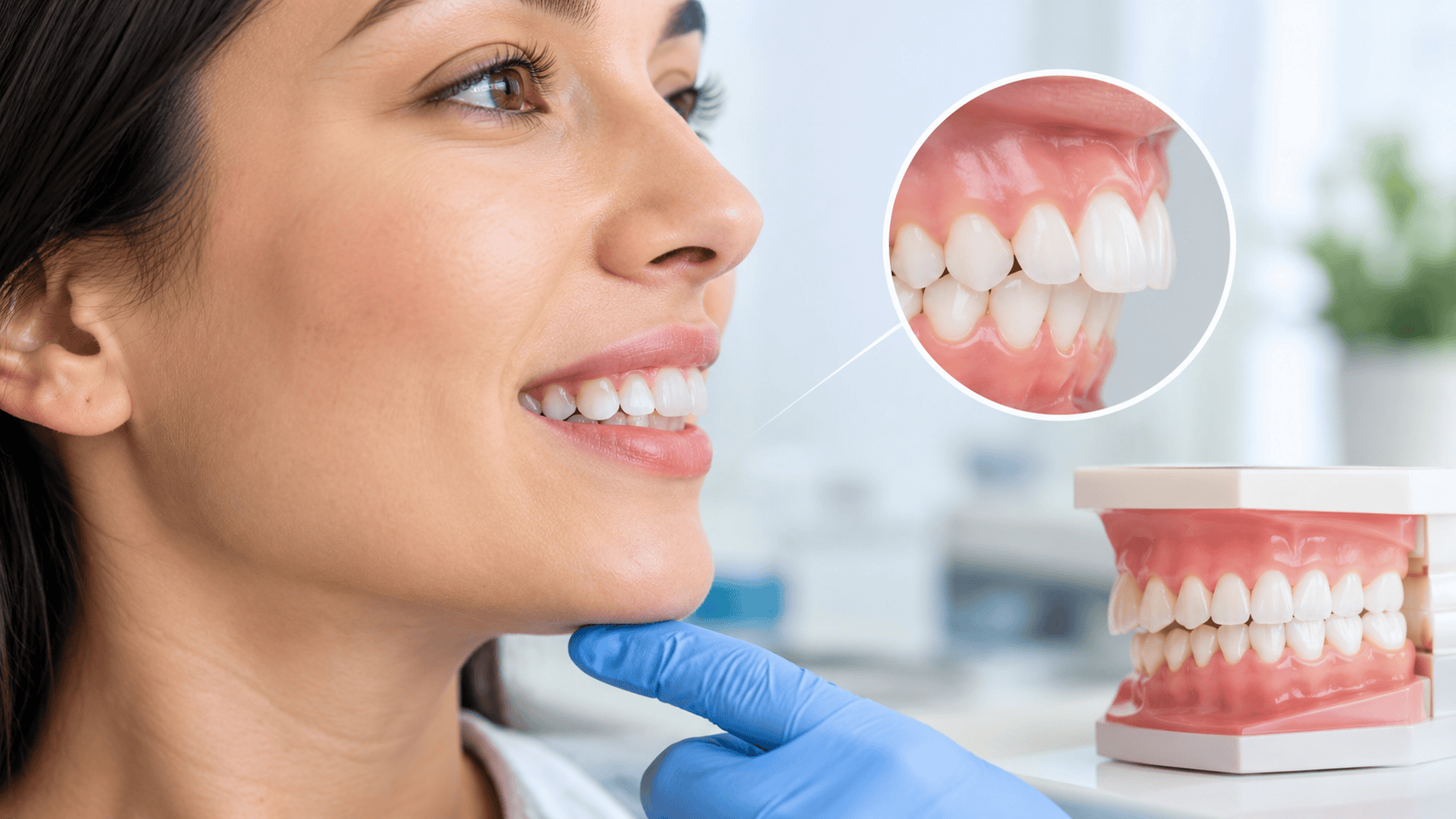
An overbite is a common dental condition in which the upper front teeth overlap the lower front teeth more than usual. Some overlap is normal, but when an overbite is excessive, it can affect your bite, tooth wear, and overall oral health.
Many people assume that if they have lived with an overbite for years, it will always stay the same. However, changes in tooth position, jaw structure, and dental health can cause an overbite to become more noticeable over time.
For adults and families in Forest Hills, Queens, understanding the signs of a changing overbite can help you decide when to seek an orthodontic evaluation.
Can an Overbite Get Worse With Age?
Yes, an overbite can become more pronounced with age, although this does not happen to everyone. The changes may develop gradually, making them difficult to notice at first.
Several factors can contribute to changes in your bite, including:
-
Natural tooth movement: Teeth can shift throughout life, even after orthodontic treatment.
-
Tooth wear: Changes in the shape and height of teeth can affect how your upper and lower teeth meet.
-
Missing teeth: Losing a tooth can allow nearby teeth to move, potentially changing your bite.
-
Jaw and facial changes: Changes in jaw position and facial structure may affect how the teeth fit together.
-
Teeth grinding or clenching: Repeated pressure can contribute to tooth wear and other bite-related problems.
-
Changes following orthodontic treatment: Teeth may move after braces or aligner treatment, particularly if retainers are not worn as recommended.
An orthodontist can evaluate whether your overbite has changed and determine whether treatment may be beneficial.
Signs Your Overbite May Be Getting Worse
An overbite does not always cause noticeable symptoms. However, certain changes may indicate that your bite needs professional attention.
1. Your Upper Teeth Cover More of Your Lower Teeth
One of the most noticeable signs is increased overlap between the upper and lower front teeth. If your lower teeth appear less visible when you close your mouth, it may be worth having your bite evaluated.
2. Your Front Teeth Are Wearing Down
When teeth do not meet properly, certain teeth may experience excessive pressure. Over time, this can contribute to uneven wear, sensitivity, or small chips.
3. You Experience Jaw Discomfort
Some people with bite problems experience jaw discomfort, muscle tension, or difficulty chewing. These symptoms can have several causes, so they should not automatically be attributed to an overbite.
4. Your Teeth No Longer Fit Together Comfortably
You may notice that your teeth meet differently when you bite down, or that chewing certain foods feels uncomfortable. A change in your bite is a good reason to arrange a dental or orthodontic evaluation.
5. Your Lower Teeth Touch the Roof of Your Mouth
In a deep overbite, the lower front teeth may contact the gum tissue behind the upper front teeth. This can sometimes cause irritation, soreness, or tissue damage and should be evaluated by a dental professional.
What Causes an Overbite to Become More Noticeable?
An overbite can develop or change for several reasons. In some cases, the underlying cause relates to the position of the teeth. In others, the relationship between the upper and lower jaws plays a larger role.
Tooth-related overbite: The upper front teeth may tilt forward or the lower front teeth may move in ways that increase their overlap.
Jaw-related overbite: The position or proportions of the upper and lower jaws can influence how the teeth fit together.
Habits and dental changes: Grinding, tooth loss, and changes following previous dental or orthodontic treatment may contribute to bite changes.
Identifying the cause is important because the appropriate treatment depends on the severity of the overbite, the patient’s age, and whether the problem involves the teeth, the jaws, or both.
Can an Overbite Be Corrected in Adults?
Yes. Adults can often improve an overbite with orthodontic treatment. The most suitable option depends on the severity of the condition, tooth position, jaw relationship, and overall oral health.
Common treatment options include:
Traditional Braces
Traditional braces use brackets and wires to gradually move teeth into more appropriate positions. They can address many types of orthodontic problems, including certain overbites.
Damon Braces
Damon braces use a self-ligating bracket system. Depending on the individual case, they may be an appropriate option for correcting tooth alignment and bite problems.
Invisalign Clear Aligners
Invisalign uses a series of removable clear aligners to move teeth gradually. It can correct many mild to moderate overbites, although some complex cases may require different or additional treatment.
An orthodontist will assess your teeth and bite before recommending a treatment plan. Not every overbite can be corrected with every option, and treatment duration varies from person to person.
When Should You See an Orthodontist for an Overbite?
Consider scheduling an orthodontic evaluation if you notice any of the following:
-
Your upper front teeth increasingly cover your lower teeth.
-
Your teeth are wearing down, chipping, or becoming sensitive.
-
Your bite has changed or feels uncomfortable.
-
Your lower teeth are irritating the gum tissue behind your upper teeth.
-
You have difficulty biting or chewing comfortably.
-
Your teeth have shifted after braces or aligner treatment.
Children should also receive an orthodontic evaluation when bite problems are suspected. The American Association of Orthodontists recommends an initial orthodontic checkup by age seven. An early evaluation does not necessarily mean that treatment must begin immediately.
If you have persistent jaw pain or significant discomfort, consult a dental professional to identify the cause rather than assuming that an overbite is responsible.
Overbite Treatment in Forest Hills, Queens
If you have noticed changes in your bite, an orthodontic evaluation can help you understand what is happening and which treatment options may be appropriate.
At Forest Hills Orthodontic Associates, Dr. Emanuel Mizrahi, DDS, provides orthodontic care for children, teenagers, and adults in Forest Hills, Queens. The practice offers orthodontic treatment options designed to address a range of tooth alignment and bite concerns.
During a consultation, your orthodontist can evaluate your bite, discuss your concerns, and explain whether treatment is recommended.
Whether you are concerned about a deep overbite, changing tooth alignment, or the appearance of your smile, professional guidance can help you make an informed decision about your oral health.
Schedule a consultation with Forest Hills Orthodontic Associates to learn more about your bite and explore the orthodontic options available to you.
Visit perfectsmilesareus.com to learn more about the practice and its orthodontic services.