
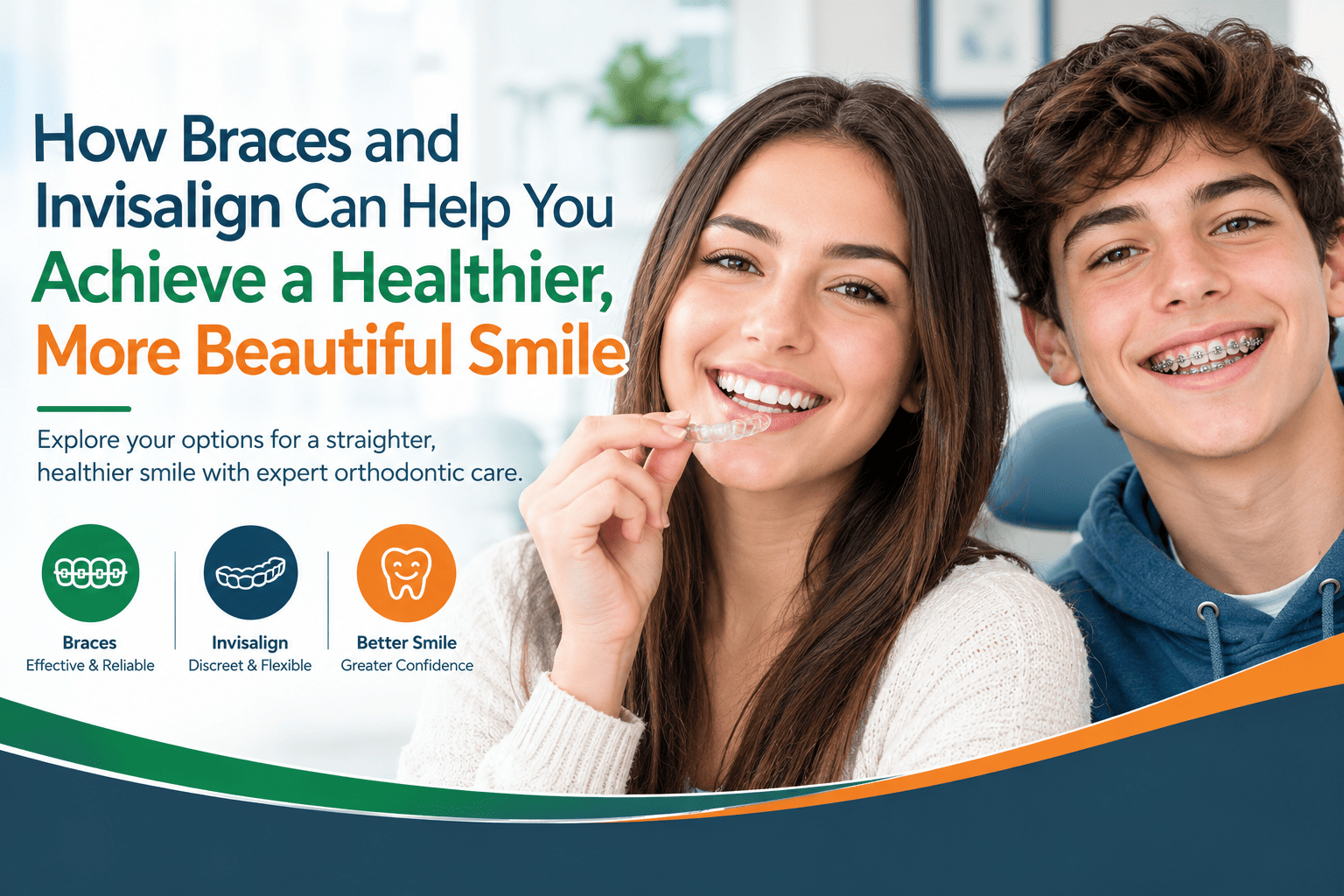
A confident smile can make a positive difference in how you feel about yourself. However, crooked teeth, gaps, crowding, and bite problems can sometimes make people feel uncomfortable about their smiles. Fortunately, modern orthodontic treatments offer effective ways to improve tooth alignment and create a more balanced, attractive smile.
At Forest Hills Orthodontic Associates, patients can explore orthodontic options such as traditional braces and Invisalign to find an approach that suits their dental needs, lifestyle, and smile goals.
Whether you are considering treatment for yourself or your child, understanding how braces and Invisalign work can help you take the next step toward a healthier, more confident smile.
Why Is Proper Teeth Alignment Important?
Orthodontic treatment is about more than appearance. Properly aligned teeth can be easier to clean and may help support better oral hygiene. Correcting certain bite problems can also improve how the upper and lower teeth fit together.
When teeth are crowded or overlap, brushing and flossing every surface may become more difficult. Gaps, uneven teeth, and bite alignment issues can also affect the appearance and function of your smile.
An orthodontic evaluation can help identify these concerns and determine whether treatment may be beneficial.
How Braces Help Create a Straighter Smile
Traditional braces use brackets and wires to apply controlled pressure that gradually moves teeth into improved positions. Your orthodontist adjusts the treatment as your teeth move toward their planned alignment.
Braces can be suitable for many orthodontic concerns, including:
- Crowded or overlapping teeth
- Gaps between teeth
- Crooked teeth
- Certain overbites and underbites
- Other tooth alignment and bite problems
One advantage of braces is that they remain attached to the teeth throughout treatment, so you do not need to remember to put them back in after meals.
Modern braces are available in different styles, including traditional metal braces and certain less noticeable options. Your orthodontist can explain which choices may be appropriate for your individual needs.
How Invisalign Can Improve Your Smile
Invisalign uses a series of custom-made, clear aligners designed to move teeth gradually. The aligners fit over your teeth and are replaced according to your treatment plan.
Because the aligners are transparent, many patients appreciate Invisalign as a more discreet alternative to traditional braces.
Potential benefits include:
- A discreet appearance: Clear aligners are designed to be less noticeable when you smile or speak.
- Removability: You can remove the aligners for meals, brushing, and flossing.
- Convenient oral hygiene: Removing the aligners makes it easier to maintain your usual brushing and flossing routine.
- Everyday flexibility: Invisalign may fit comfortably into work, school, and social activities.
For treatment to work as planned, aligners generally need to be worn for the recommended amount of time each day. Invisalign is not suitable for every orthodontic concern, so an evaluation is important before choosing this option.
Braces vs. Invisalign: Which Is Right for You?
Both braces and Invisalign can help improve tooth alignment, but the best choice depends on your teeth, bite, treatment goals, and lifestyle.
Braces may be recommended for a wide range of alignment concerns, including some more complex cases. Invisalign may appeal to patients who prefer removable, less noticeable orthodontic appliances and whose treatment needs are suitable for clear aligners.
When comparing your options, consider:
- Appearance: Would you prefer traditional braces or a less noticeable clear-aligner option?
- Lifestyle: Are you comfortable wearing removable aligners consistently throughout the day?
- Treatment needs: Which approach is best suited to your tooth alignment and bite?
- Oral hygiene: Would removable aligners make your daily cleaning routine easier?
- Professional guidance: What does your orthodontist recommend after examining your teeth?
There is no single treatment that is best for everyone. A personalized consultation can help you understand the benefits, limitations, expected timeline, and costs of each option.
Can Adults Benefit from Orthodontic Treatment?
Yes. Orthodontic treatment is not limited to children and teenagers. Many adults explore braces or Invisalign to address crooked teeth, crowding, gaps, or bite concerns.
Some adults may have postponed treatment earlier in life, while others notice changes in their tooth alignment over time. An orthodontic assessment can help determine whether treatment is appropriate and which options are available.
If you are considering improving your smile as an adult, you do not need to assume that braces are your only choice. Ask your orthodontist whether clear aligners or another treatment approach could meet your needs.
What to Expect During Orthodontic Treatment
Your orthodontic journey begins with an evaluation of your teeth, bite, and overall orthodontic needs. Your orthodontist will discuss your concerns and explain the treatment options that may be appropriate.
Depending on the recommended approach, your plan may include braces or a series of custom aligners. Follow-up appointments allow your orthodontist to monitor progress and make adjustments when necessary.
Treatment duration varies from patient to patient. Factors such as the complexity of the case, the planned tooth movements, and adherence to treatment instructions can affect how long treatment takes.
Maintaining good oral hygiene and attending scheduled appointments can help you stay on track throughout your treatment.
Maintaining Your Smile After Treatment
Once your teeth reach their planned positions, retainers are commonly recommended to help maintain the results. Teeth can shift over time, so following your orthodontist’s retainer instructions is an important part of protecting your new smile.
Continue brushing twice daily, flossing regularly, and attending routine dental visits. These habits help support your oral health after orthodontic treatment.
Begin Your Smile Journey in Forest Hills, NY
Choosing between braces and Invisalign starts with understanding your needs and the options available to you. The right treatment can help improve tooth alignment, support oral hygiene, and give you greater confidence in your smile.
Forest Hills Orthodontic Associates provides orthodontic care for children, teenagers, and adults in Forest Hills, NY. If you are interested in braces or Invisalign, schedule a consultation to discuss your smile goals and learn which treatment may be right for you.
Ready to take the next step? Contact Forest Hills Orthodontic Associates to schedule an orthodontic consultation and explore your options for a straighter, healthier-looking smile.
Frequently Asked Questions
Do braces and Invisalign produce similar results?
Both can improve tooth alignment, but results depend on the individual’s orthodontic needs and the treatment plan. Your orthodontist can explain which option is appropriate for your case.
Is Invisalign better than braces?
Neither option is universally better. Invisalign offers removable, clear aligners, while braces remain attached to the teeth and may be recommended for certain complex cases. The best choice depends on your needs and lifestyle.
How long does orthodontic treatment take?
Treatment time varies based on the complexity of tooth movement, the treatment method, and how closely instructions are followed. Your orthodontist can provide an estimated timeline after an evaluation.
Can adults get braces or Invisalign?
Yes. Adults can receive orthodontic treatment when it is appropriate for their dental health and alignment concerns. An orthodontic consultation can help identify suitable options.
How do I know which treatment is right for me?
Schedule an evaluation with an orthodontist. They can assess your teeth and bite, discuss your goals, and recommend a treatment plan tailored to your needs.